Florida Attorney General James Uthmeier Files Lawsuits Targeting Sweepstakes Casino Operators
Skriven av Petra Sullivan · 2026-08-24

Florida Attorney General James Uthmeier Files Lawsuits Targeting Sweepstakes Casino Operators
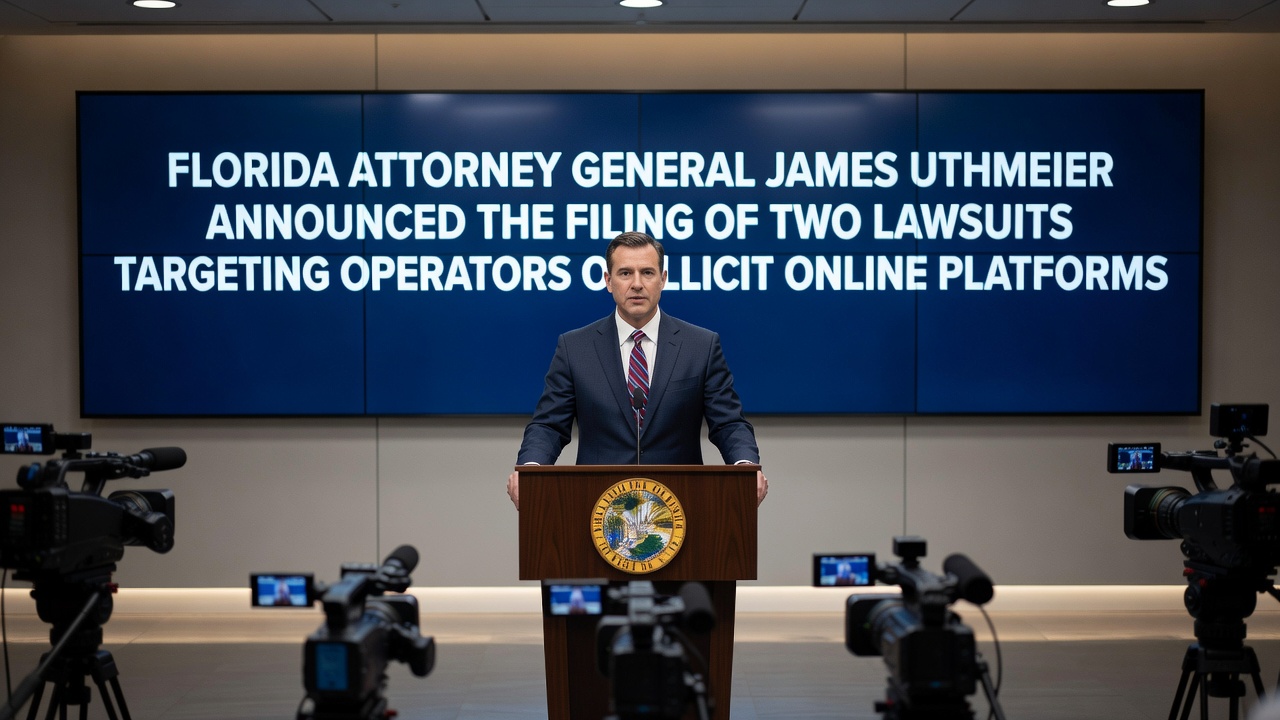
Attorney General James Uthmeier announced the filing of two lawsuits that target operators of major sweepstakes casinos along with their associated payment processors, and the action centers on platforms including Stake, VGW’s Chumba Casino, LuckyLand, and Global Poker. Officials describe these platforms as functioning as illegal online casinos that violate Florida state law, and the suits mark a direct step in ongoing regulatory efforts against unregulated sweepstakes-style gaming operations. The complaints allege that the companies offer real-money gambling experiences under the guise of sweepstakes models, which state regulators maintain cross into prohibited territory.
Details of the Enforcement Action
The lawsuits name specific operators and processors that facilitate deposits and withdrawals for users accessing the platforms from within Florida, and court documents lay out claims that these entities knowingly provide access to games of chance where participants risk money for the opportunity to win cash prizes. Prosecutors point to the structure of the games, which allow players to purchase virtual credits that function identically to casino wagers, and they argue that the sweepstakes framing does not shield the activity from existing statutes that ban unauthorized internet gambling. The filing came after months of investigation by the attorney general’s office, which reviewed user data, payment flows, and marketing materials distributed to Florida residents.
Companies and Platforms Named
Stake appears in the complaints as one of the primary targets, with allegations that its sweepstakes casino offerings reach thousands of Florida users through aggressive online promotion. VGW’s Chumba Casino and LuckyLand receive similar scrutiny, as both sites permit players to buy gold coins packages that include sweepstakes entries redeemable for cash, and regulators contend this mechanism effectively recreates traditional online casino play. Global Poker rounds out the operator list, with the suits claiming its social poker platform similarly bypasses state licensing requirements by framing real-money transactions as promotional entries. Payment processors tied to these sites also face claims that they knowingly processed transactions that supported illegal gambling activity under Florida law.
Legal Basis and State Position
Florida statutes prohibit the operation of unlicensed casinos and the acceptance of wagers through electronic means, and the complaints assert that the named platforms meet the legal definition of gambling devices because they involve consideration, chance, and reward. The attorney general’s office references prior enforcement precedents where courts examined similar sweepstakes models and found them subject to state gaming restrictions, and officials note that the current suits seek both injunctive relief and monetary penalties. Payment processors named in the filings allegedly continued to handle Florida transactions even after receiving notice that the underlying activity violated state law, and prosecutors argue this continued facilitation demonstrates willful participation.
According to the official news release, the two separate actions allow the state to address distinct groups of defendants while presenting overlapping evidence of illegal operations. Court filings include user affidavits describing how players deposited funds, engaged in gameplay, and received payouts, and investigators compiled records showing millions of dollars in transaction volume originating from Florida IP addresses. The complaints further allege that marketing campaigns specifically targeted Florida audiences through social media and search advertising, which the state contends demonstrates intent to serve the local market despite lacking any gaming license.
Regulatory Context and Next Steps
State regulators have increased scrutiny of sweepstakes gaming formats in recent years because these platforms often operate without the oversight applied to licensed casinos, and the current lawsuits represent the latest effort to draw clearer boundaries. The attorney general’s office stated that it will seek temporary restraining orders to halt the platforms’ access for Florida users while the cases proceed through the courts. Observers note that similar actions in other states have led to settlements requiring operators to block specific jurisdictions or restructure their offerings, and the Florida cases could produce comparable outcomes depending on how the courts interpret the sweepstakes exemption claims. The payment processors face separate counts that focus on their role in the transaction chain, and prosecutors maintain that holding these intermediaries accountable will disrupt the financial infrastructure supporting the platforms.
The announcement highlighted coordination between the attorney general’s office and the Florida Gaming Control Commission, which supplied technical analysis of the gaming software and transaction records. Commission staff examined game mechanics on each named platform and concluded that the random number generators and prize structures align with those found in regulated casino environments. This technical evidence forms a core part of the state’s argument that the sweepstakes label functions as a distinction without a legal difference under existing statutes.
Conclusion
The two lawsuits filed by Attorney General James Uthmeier target operators of Stake, VGW’s Chumba Casino, LuckyLand, and Global Poker along with connected payment processors, and the complaints allege violations of Florida’s prohibitions on unauthorized online gambling. Court proceedings will determine whether the sweepstakes model shields these platforms from state enforcement, while the immediate relief sought includes orders blocking further transactions with Florida residents. The actions underscore the state’s position that only licensed entities may offer real-money gaming within its borders, and they add to a growing body of regulatory challenges facing sweepstakes casino operators nationwide.